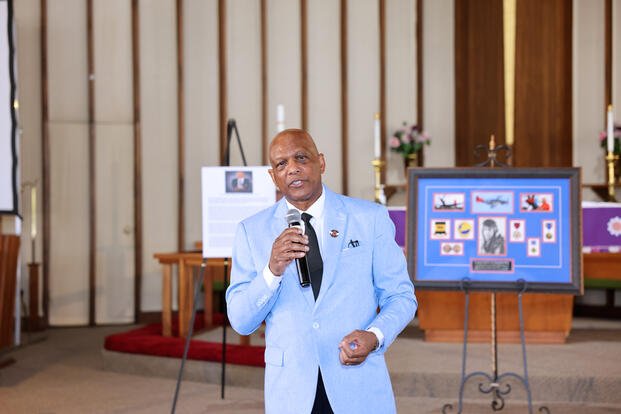
For more than 50 years, the Greater Philadelphia Chapter of the Tuskegee Airmen has kept the history alive of the enormous contributions made by men of different backgrounds that helped propel U.S. forces during World War II. That legacy remains unperturbed.
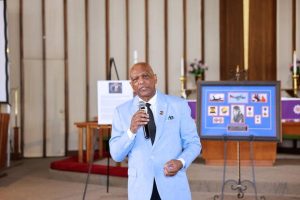
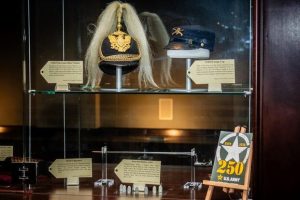
On March 28, one day prior to Pennsylvania’s official Tuskegee Airmen Commemorative Day, an event was held in Philadelphia to highlight and continue to preserve the memory of the Tuskegee Airmen—consisting of the first African-American and Caribbean air and ground crews within the Army Air Forces (AAF) that flew bombers and fighters during the second World War, transforming stereotypes of who could be pilots. In 2007, the Tuskegee Airmen were awarded the Congressional Gold Medal for their distinguished service.
In November 2022, following unanimous approval by the state House and Senate and signed legislation, Pennsylvania officially designated March 29 as Tuskegee Airmen Commemoration Day. This particular chapter was founded in 1974.
“Because of what they stand for and what they have done, I think it’s something that we need to make sure the rest of the world knows about,” Mel Payne, president of the Greater Philadelphia Chapter of Tuskegee Airmen, told Military.com.
Payne said that their legacy “is not just a moment in history” but rather “a living example of excellence, resilience and service that continues to inspire us today,” adding that it’s current Americans’ responsibilities to not just remember their efforts and contributions but use it as motivation daily “to carry that same determination and commitment to excellence.”
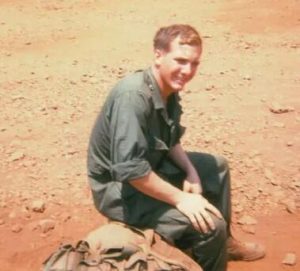
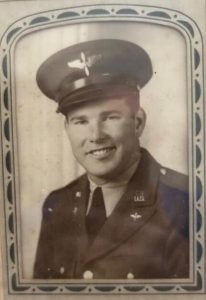
The program featured Heritage Family Presentations, recognizing relatives of Tuskegee Airmen, along with the presentation of official “Red Tails” Commemoration Day pins to first-time and grandfathered financial members of the Greater Philadelphia Chapter.
Attendees also experienced educational reflections on the enduring impact of the Tuskegee Experience.
Blazing Trails on the Ground and in the Air
The Greater Philadelphia Chapter of the Tuskegee Airmen includes navigators, bombardiers, mechanics, instructors, crew chiefs, nurses, cooks and other support personnel who served at Tuskegee Army Air Field and across designated units through the inactivation of the 332nd Fighter Wing.
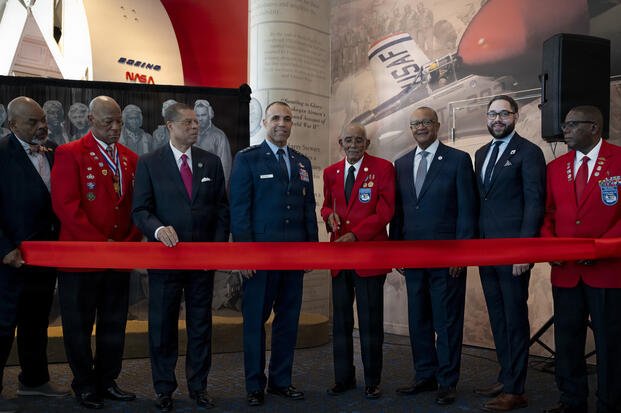
Before being known as the “Red Tails,” these pilots began their flight training in the Army’s PT-17 Stearman bi-plane.
All Black U.S. military pilots trained at Griel Field, Kennedy Field, Moton Field, Shorter Field and the Tuskegee Army Air Fields. Moton Field is where flight testing occurred to test pilot’s combat aircraft proficiencies.
They were all educated at Tuskegee University, formerly the Tuskegee Institute, situated near Tuskegee, Ala.
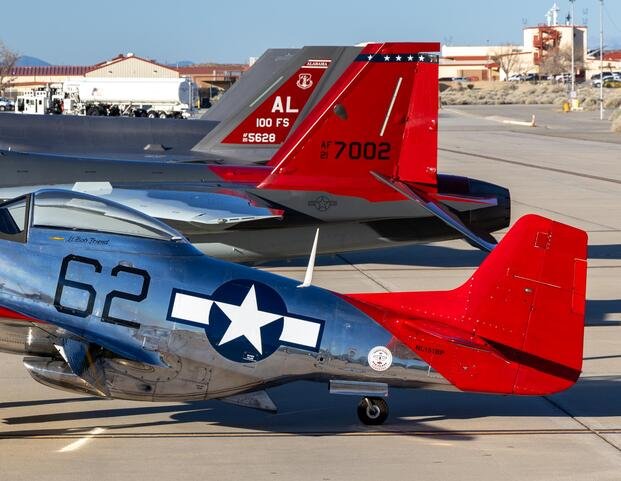
That group, according to historical accounts, included five Haitians from the Haitian Air Force and one pilot from Trinidad. It also included a Hispanic or Latino airman born in the Dominican Republic.
“We believe that history belongs to all of us, and after today, we are all responsible for telling the story of the Tuskegee Airmen once you learn about it,” the Greater Philadelphia Chapter of the Tuskegee Airmen board member James Thompson told Military.com.
A national historic site commemorating the pilots can be visited in Tuskegee, Ala.