As Americans honor PTSD Awareness Day, a renewed spotlight will be thrust onto the thousands of veterans that struggle with post-traumatic stress disorder every day.
While curing PTSD and reducing the high veteran suicide rate are huge challenges, there are organizations making groundbreaking efforts to help former service members.
The Semper Fi & America’s Fund has explored new, hands-on ways to assist critically wounded, ill and injured veterans, providing more than $500 million to over 40,000 veterans.
Karen Guenther, Semper Fi & America’s Fund founder and chief executive officer, believes the organization has made a sizable effort to help ailing veterans, but realizes much more must be done. Through the past three years, veterans who’ve received assistance have seen a 75% decrease in suicidal ideation, anxiety and housing insecurity, along with an 80% reduction in substance abuse, according to the organization.
The fund offers one-on-one case management, connection with mental health professionals and other veterans, and gives veterans long-term support. Based on statistics provided by the Department of Veterans Affairs, more than 300,000 veterans who were deployed to Iraq and Afghanistan battle PTSD at times throughout the year.
Former service members also die by suicide at a higher rate than civilians.
“At Semper Fi & America’s Fund, we recognize that PTSD is not something that can be solved with a one-time intervention. Healing often requires ongoing support, connection and access to the right resources,” Guenther said. “We provide individualized, lifelong care through case management, peer support, unit reunions, integrative wellness programs, neurofeedback training, caregiver support, adaptive sports and critical financial assistance.”
The Value of Connection
Ultimately, the fund’s goal is to reduce isolation, restore purpose and help veterans build fulfilling lives beyond their injuries and trauma.
But reducing the national veteran suicide rate shouldn’t be placed solely on veterans’ service organizations, the VA and other large civic groups. Guenther said everyone can pitch in by offering connection to veterans who simply want someone to talk to.
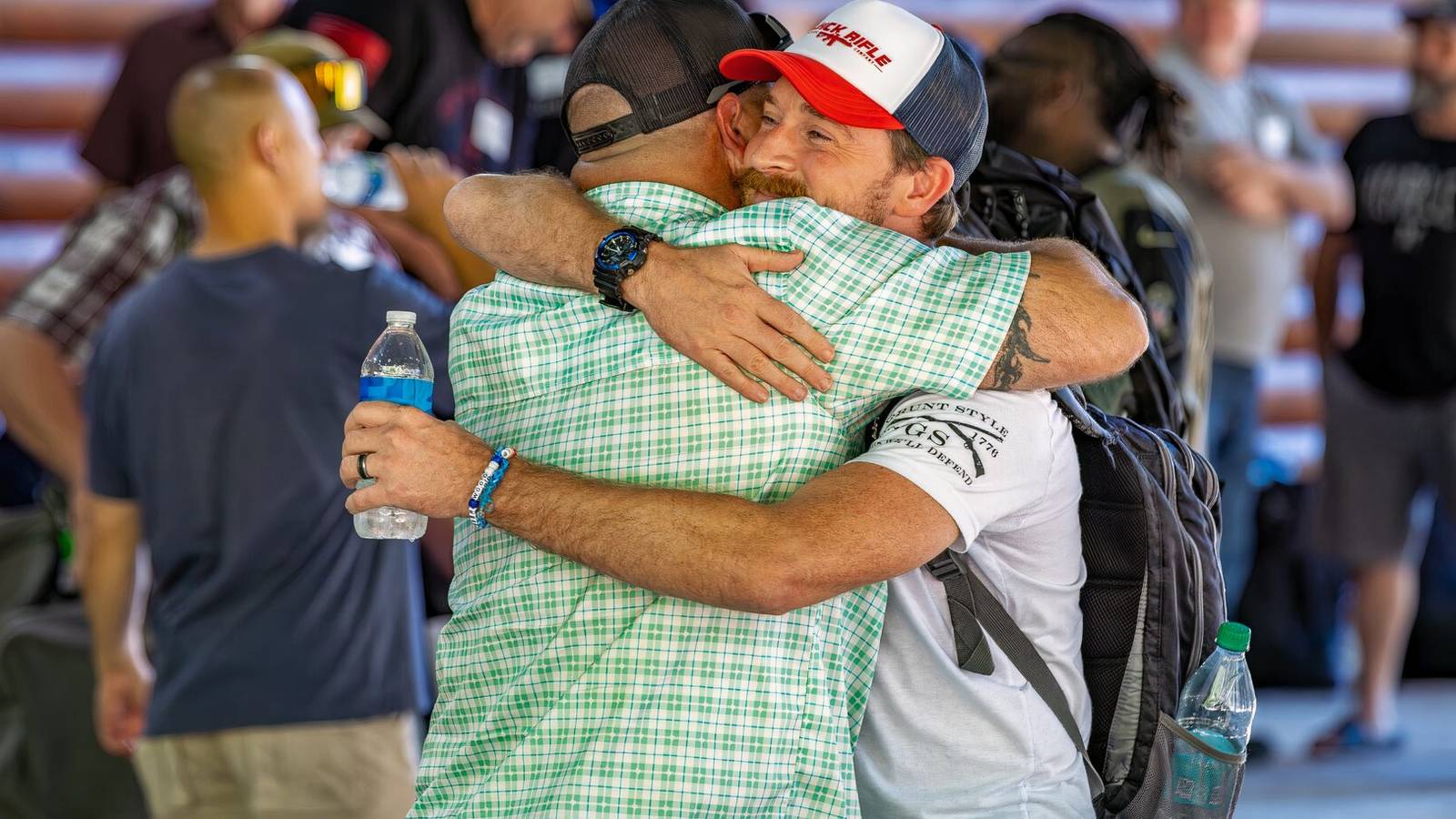
The fund offers social and emotional support through the Unit Reunion Match Campaign, where donors’ monetary gifts are matched by a dollar up to $500,000 to help veterans reconnect with service friends.
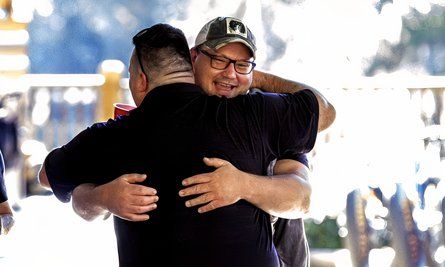
“Isolation is one of the greatest challenges many veterans face after service,” Guenther said. “Second, we need to make it easier for veterans and military families to access support without stigma. Third, we must recognize that healing is a long-term journey. Communities, employers, healthcare providers, nonprofits, and neighbors all have a role to play. When veterans feel connected, valued and supported, they are more likely to seek help and remain engaged in their recovery.”
How can this be done? Guenther said to start by listening, which has become a lost art in a world full of distractions. Learning about PTSD and other mental health issues veterans face also helps the public better understand their circumstances, building empathy and connection.
“Reach out to a veteran in your community. Support organizations that provide direct services. Share accurate information and stories of hope and recovery,” Guenther said. “Most importantly, remember that veterans are not defined by their trauma. They are resilient individuals who have tremendous strengths, talents and contributions to offer their communities.”
 Defying the Stigma
There are many misconceptions surrounding veterans battling PTSD, suicidal ideation and anxiety. Sometimes they’re labeled as weak and broken, a shell of the person they once were.
“Nothing could be further from the truth. PTSD is a human response to extraordinary experiences. Seeking help is a sign of courage, not weakness,” Guenther said. “Another misconception is that recovery is impossible. We see every day that with the right support, veterans can heal, reconnect with their communities and lead meaningful, productive lives.”
Mental health recovery does not happen on a strict timeline. Guenther said a veteran’s needs could change over months, years, even decades following military service.
“Someone may need emergency assistance today, support navigating a health challenge next year and peer connection years later. Long-term support ensures that veterans never have to face those challenges alone,” she said. “At Semper Fi & America’s Fund, we often say our commitment is for life because healing is not an event, it is a journey. The most meaningful outcomes happen when veterans know there is a trusted community standing beside them every step of the way.”
While helping every veteran with PTSD is a large mountain to climb, Guenther knows the disease is treatable, recovery is possible and veterans need social support to thrive.
“No veteran should ever feel alone,” Guenther said. “When we come together as a community, we can help our nation’s heroes find hope, connection, and healing.”