The electric car industry was, for a little while there, the new gold rush. It was relatively easy to get public or private funding for promising battery-powered vehicles like the Fisker Ocean, infrastructure support was growing, and investors were terrified of being left out of the next big thing.
In retrospect, it’s obvious that this was an economic bubble. Of course, it was obvious five years ago, too (and it was especially obvious to Toyota). Fast, easy money is never sustainable, and the scrapyard is full of electric cars that were supposed to lead the industry into a new era. Whether through mismanagement or just plain bad timing, these once-promising EV companies simply failed to go the distance.
Fisker Automotive
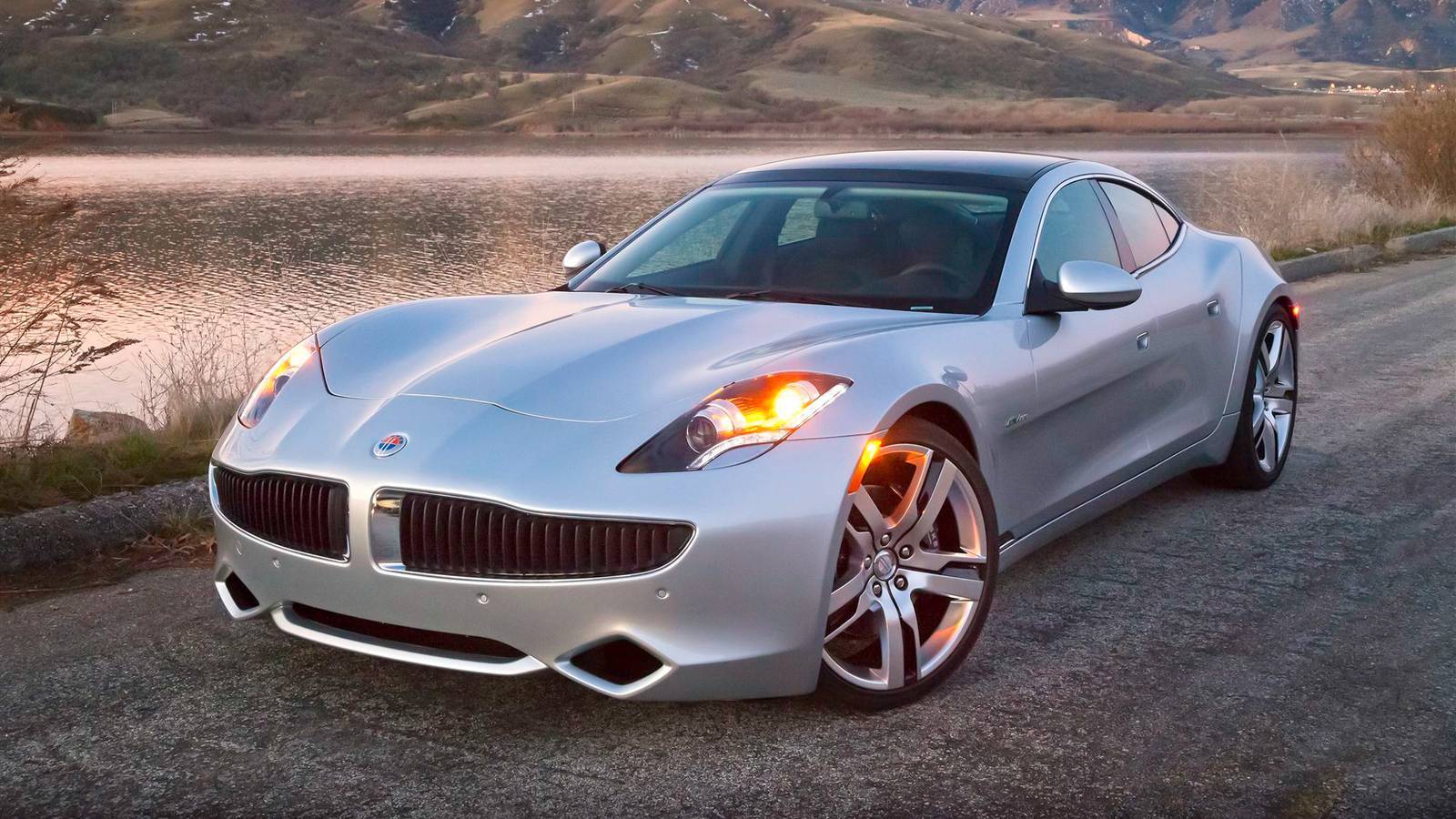
The Fisker Ocean Was Set To Revolutionize The SUV Segment
|
Date Founded |
2016 |
|
Bankruptcy Filed |
2024 |
|
Vehicles Produced |
11,193 |
The closest thing we have to an EV boom success story on this list, Fisker actually built approximately 11,193 units before filing for bankruptcy. Many EV drivers who actually bought the Fisker Ocean have been left going aftermarket for recall-related maintenance, owing to long waits and difficulties getting the cars serviced by the manufacturer.
Blame for Fisker’s failure has largely been placed at the feet of founder Henrik Fisker. The Fisker Ocean aimed to provide accessible electric power and nudge EVs out of the luxury segment and towards the mainstream. A starting MSRP of $38,999 for the cheapest SUV, and failure to deliver on the promised Fisker Ronin supercar, marked the disappointing downfall of the brand that hoped to rival Tesla.
Canoo
The Canoo Lifestyle Vehicle Was Intended To Be A “Loft On Wheels”

|
Date Founded |
2017 |
|
Bankruptcy Filed |
2025 |
|
Vehicles Produced |
22 |
Canoo had a foot in the commercial electric vehicle segment, but also envisioned the EV as, essentially, the next step in the lineage of station wagons and minivans. That is, cozy, roomy family cars, with cabins more akin to living rooms than luxury cars.
Canoo had plenty of support, partnering with Hyundai and merging with Hennessy Capital Acquisition Corp. IV. with a projected evaluation of $2.4 billion. Unfortunately, the stock price plummeted following the acquisition of EV rival Arrival (also on this list), and the company declared Chapter 7 with less than $50,000 in assets, and just 22 vehicles produced.
Lordstown Motors
Lordstown Produced Fewer Than 100 Instances Of Its Endurance Pickup

|
Date Founded |
2018 |
|
Bankruptcy Filed |
2023 |
|
Vehicles Produced |
31 |
Lordstown Motors Corporation still exists under the name of Nu Ride Inc., following a June 27, 2023 Chapter 11 filing that saw the brand selling off its assets. The brand’s flagship pickup, the Lordstown Endurance, showed promise as a versatile $52,500 all-wheel drive truck, but the company had only produced 31 units by the time the assets were sold off.
Bollinger Motors
The Bollinger B4 Chassis Cab Fell Well Short Of Production Goals

|
Date Founded |
2014 |
|
Bankruptcy Filed |
2025 |
|
Vehicles Produced |
40 |
Bollinger Motors was initially founded to build off-road EVs, unveiling an impressive 295-lb aluminum chassis in 2017. The company eventually moved into commercial vehicles, alongside passenger trucks and SUVs like the Bollinger B2. The brand’s downfall has been attributed to unpaid supplier bills, and an inability to repay a $10 million loan from Mullen Automotive. The story of Bollinger Motors ends with the auctioning of its final 20 units in 2026.
Proterra
The ZX5 Electric Transit Bus Was Supposed To Reinvent Public Transport

|
Date Founded |
2004 |
|
Bankruptcy Filed |
2024 |
|
Vehicles Produced |
1,300+ |
Proterra is a brand that predates the most recent EV boom. Based out of Golden, Colorado, Proterra Inc. was building buses all the way back in the mid-00s, pioneering products like the EcoRide, a battery-electric bus with a hydrogen fuel cell range extender. Proterra built more than 1,300 city buses over 20 years in the business. You may have ridden in one yourself.
Unfortunately, supply chain hangups and unpaid debts following the COVID-19 Pandemic sank the small company. The Pandemic era was a major disruption to business, here in the States and globally, and, despite a two-decade legacy in the industry, Proterra was ultimately a small, vulnerable manufacturer, which found itself incapable of withstanding the losses that larger brands were able to shrug off. Proof that you can do everything right, and still go belly up when the cards don’t fall in your favor.
Read the full article on CarBuzz
This article originally appeared on CarBuzz and is republished here with permission.